
1. Avid Pro Tools — The Standard for Mixing and Post-Production

Overview:
Avid Pro Tools continues to be the gold standard for recording, editing, and mixing audio in professional studios worldwide. Its deep integration with professional hardware, powerful edit/playback engine, and collaborative cloud workflows keep it at the top of the industry.
Key Strengths
Industry adoption in film/TV post, broadcast, and major music studios
Advanced mixing workflows with automation, grouping, and control surfaces
Comprehensive edit tools for complex audio refinement
Avid Cloud Collaboration for distributed teamwork
Best For: Recording studios, post-production facilities, professional mixing engineers.
2. Apple Logic Pro — Power and Simplicity for Music Creators
Overview:
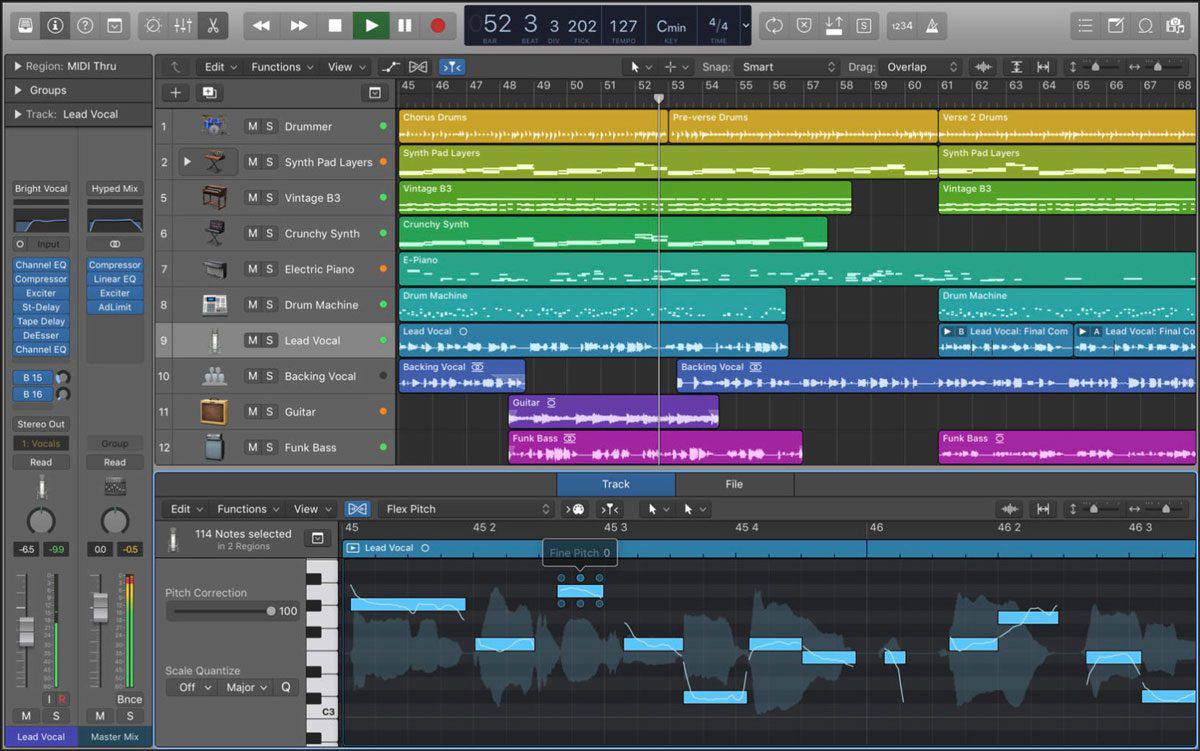
Apple Logic Pro has evolved into a feature-packed powerhouse for music production, blending advanced capabilities with an intuitive interface. It’s especially strong on MIDI, virtual instruments, and loop-based composition.
Key Strengths
Innovative MIDI and scoring tools
Huge stock library of instruments and effects
Seamless integration with Apple hardware
Affordable one-time purchase
Best For: Songwriters, producers, composers (especially within Apple ecosystems).
3. Ableton Live — Live Performance Meets Studio Production
Overview:
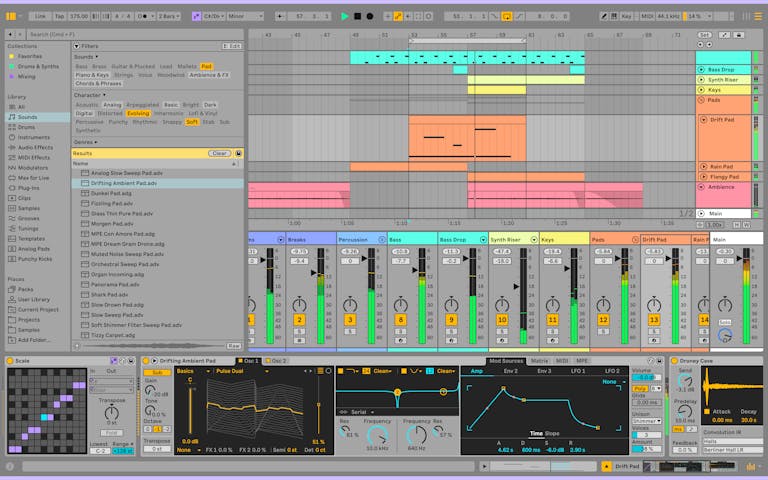
Ableton Live remains unrivaled for performance-oriented music production. Its Session View makes sketching musical ideas instant and spontaneous, while recent enhancements have expanded its studio feature set.
Key Strengths
Real-time performance workflows
Intuitive clip launching and looping
Deep integration with controllers like Push
Continuous updates adding advanced production tools
Best For: Electronic producers, live performers, beat makers.
4. Steinberg Nuendo — High-End Post, Game Audio, and Immersive Sound

Overview:
Steinberg Nuendo continues to target immersive audio, game audio, and film post-production workflows, often sitting alongside or even ahead of competitors for advanced sound design and spatial audio.
Key Strengths
Industry-leading support for Dolby Atmos and 3D audio
Sophisticated ADR and localization tools
Comprehensive integration with multiple formats
Deep scripting and customization
Best For: Post-production houses, game audio studios, immersive audio engineers.
5. FL Studio — Creativity-First Music Production

Overview:
FL Studio remains a favorite for beat-driven producers and electronic music creators. Its pattern-based workflow and fast sketching capabilities make it ideal for creative, loop-centric composition.
Key Strengths
Pattern and step sequencer workflow
Lifetime free updates
Vast plugin ecosystem
Strong community and template resources
Best For: EDM producers, hip-hop beat makers, creative composers.
6. Cockos Reaper — Customizable, Efficient, and Cost-Effective
Overview:
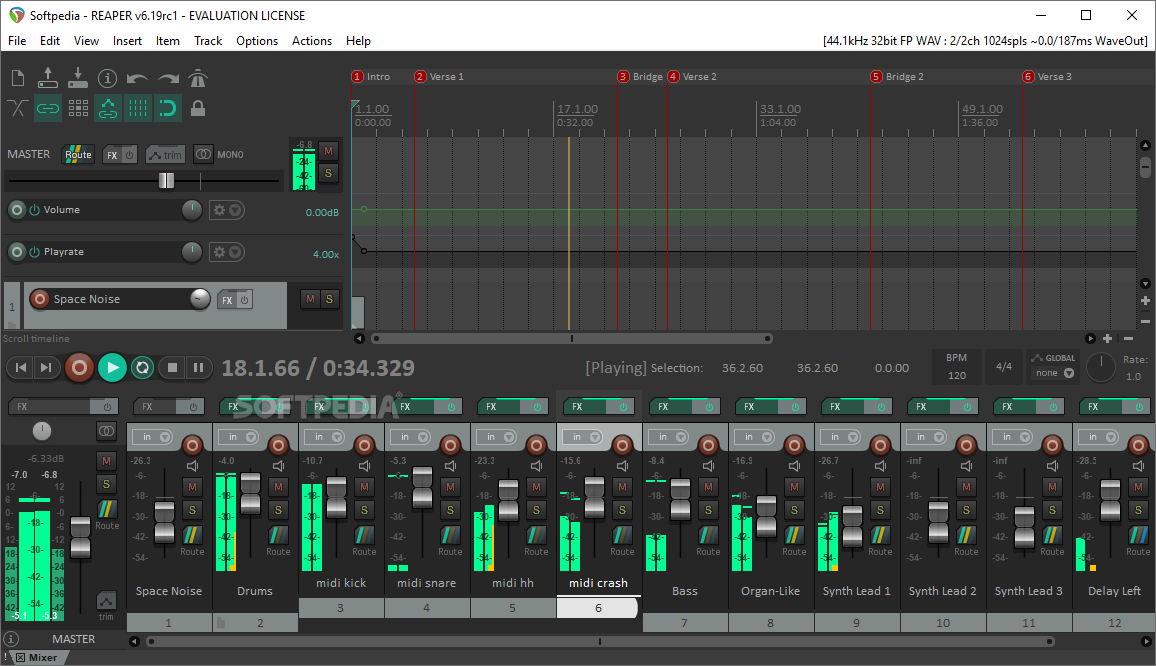
Reaper has matured into a highly flexible DAW with a lightweight footprint and deep customization potential. Though less “industry standard” than Pro Tools, its power and affordability have earned it a strong professional foothold.
Key Strengths
Highly customizable UI and workflow
Extensive scripting and third-party extensibility
Low cost with a generous evaluation license
Efficient CPU use, fast project loading
Best For: Independent producers, mobile/remote setups, power users who customize workflows.
7. Bitwig Studio — Modularity and Workflow Innovation

Overview:
Bitwig Studio focuses on modular sound design and flexible workflow environments. Its hybrid approach bridges traditional DAW timelines with modular synthesis paradigms.
Key Strengths
Integrated modulation system
Hybrid audio/MIDI environment
Clip-based and timeline workflows
Frequent forward-looking updates
Best For: Experimental producers, sound designers, electronic musicians.
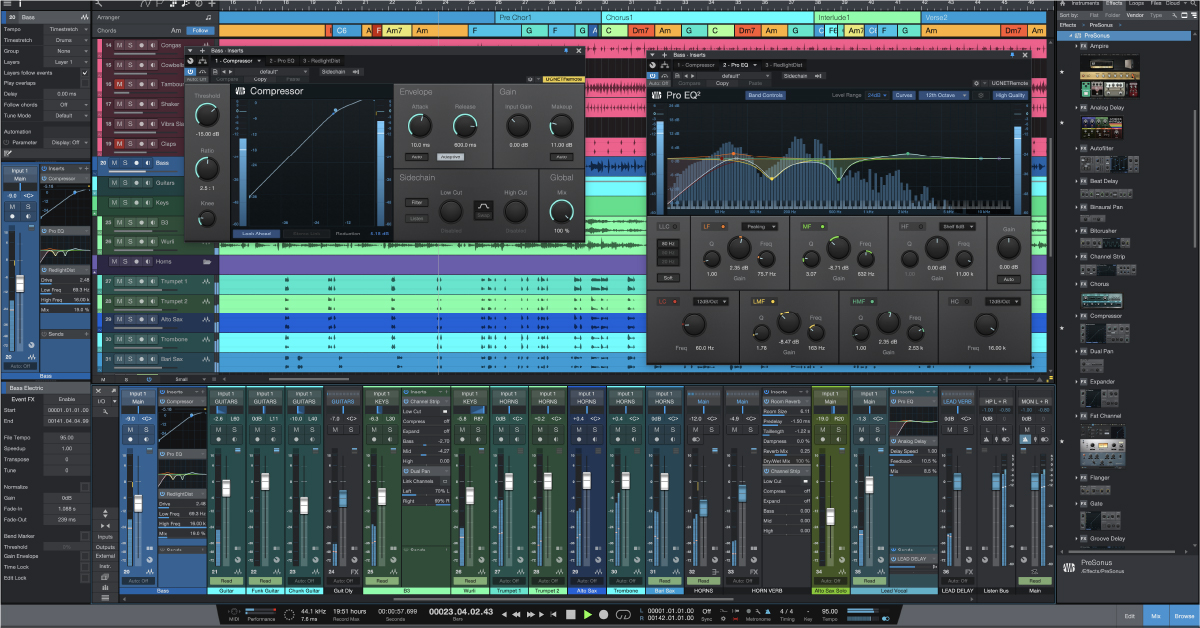
8. Presonus Studio One — Balanced All-Rounder
Overview:
Presonus Studio One has grown into a very strong competitor in the DAW space, offering a balanced combination of intuitive workflows, professional mixing tools, and tight hardware/software integration.
Key Strengths
Drag-and-drop interface
Integrated mastering suite
Robust audio/MIDI editing
Good ecosystem with Presonus hardware
Best For: Project studios, budding professionals, producers seeking efficiency.
Your blog has helped me become a better version of myself Your words have inspired me to make positive changes in my life
What topics would you like to see covered in future posts? Let us know in the comments.
Fast loading times and a very user-friendly layout. I’ve had a blast exploring the different game modes. Keep it up guys! Love gb777login
The VIP treatment here is actually real. I feel like a valued player and the rewards keep coming. If you want a premium feel, head over to vipphlogin.
Your writing style is so engaging and easy to read It makes it a pleasure to read your blog and I always look forward to your new posts
Best experience I’ve had with an online site lately. The games at bdfc777 are super smooth and the bonuses are legit.